Simply Soul Searching
HOW IS GOD LOVING ME – AND WHERE IS GOD LEADING ME?
WATER THE SOIL

(A SEASON OF NEW GROWTH #8)
Wednesday, June 16th
Jesus wept.
(John 11:35 NRSV)
She made her way through the desert of her soul
parched by pandemic, politics, and pain;
her chin held high, stoic and strong,
displaying her optimism as a banner of hope.
“God is our stronghold, our shield, our rock,”
she proclaimed, to those who yearned
for a soft and tender caress instead.
She held fast to her faith,
desperately clutching it to her chest
as moments, memories, and people she loved
were snatched from her embrace.
“The Lord is near to the brokenhearted,”
she publicly professed
while she inwardly wondered,
“Will you forget me forever?”
And when the desert time was nearly over,
she paused to quietly grieve
the three who no longer walked this world.
A sudden tear surprised her…
then another and another…
soon the tears were pouring down her cheeks,
her thin veneer of peace now shattered
and every sorrow spilling through her fingers.
She grieved for herself
then for her dear ones
then for the world…
for the memories she would not make
for the losses she could not recover
for the lies and the lines
of hatred and division that form in dry times,
for walls and distances that separate
people from people, people from God;
and tears of grief flowed unabated
for doctors and daycares
for frontliners and families
for racism and riots
for police and people of color
for borders and babies
for violence and vaccines
for India and Italy
for countries and continents
for all places and all people.
Her fresh tears poured out –
but the dry, barren ground soaked in,
softening
refreshing
replenishing
becoming dark and damp soil,
cool beneath her weary feet.
She grieved and she placed
each sorrow into grace…
then, drained and depleted,
gently wiped her eyes
to find a tiny sprout of new life
breaking courageously
through fresh and fertile ground
and she smiled.
The soil of her soul was ready
to grow something new.
Bible verses quoted:
“The Lord is near to the brokenhearted.” Psalm 34:18
“Will you forget me forever?” Psalm13:1
Photo by Karen, Hurricane, WV
DEEPEN OUR ROOTS
(A SEASON OF NEW GROWTH #7)
Monday, June 14th
I pray that, according to the riches of his glory, he may grant that you may be strengthened in your inner being with power through his Spirit, and that Christ may dwell in your hearts through faith, as you are being rooted and grounded in love. (Ephesians 3:16-17 NRSV)
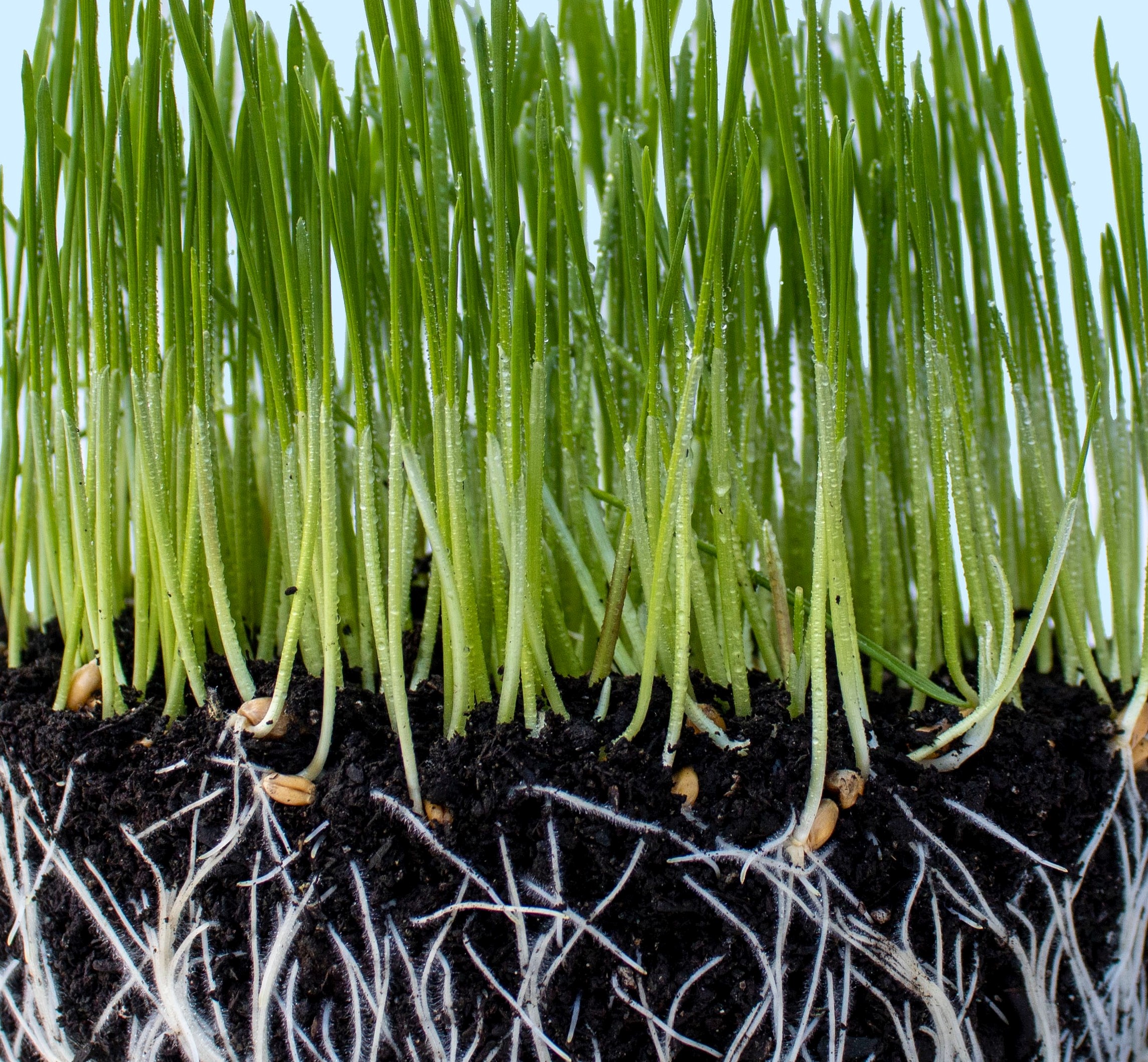
As we continue our Season of New Growth, today let’s take a look at our roots. In what ways are roots important to plant health? How does “being rooted and grounded in love” foster a stronger and healthier spirit? Here are some excerpts from The Importance of Healthy Plant Roots | Bonnie Plants, that also relate to our personal roots:
Did you know that what you see above ground in your plants is really determined by what’s hidden underground? What happens underground, where the plant roots live, drives plant growth. The bigger and healthier the root system, the bigger and healthier the plant. What do healthy roots do?
~ First, they provide the anchor needed to keep a plant in place…
As we deepen and extend our roots into the love of Christ, we become well-anchored to withstand any buffeting winds of change, drenching raindrops of sorrow, or pummeling hailstones of hurt that come our way. We learn to bend and recover, absorb and revive, strengthen and heal, while we are firmly secured in love – through all of the challenges of life.
~ More importantly, roots are the lifeline of a plant, taking up air, water, and nutrients from the soil and moving them up into the leaves, where they can interact with sunlight to produce sugars, flavors, and energy for the plant…
Did you ever place a celery stalk in colored water when you were a child? This simple science experiment demonstrated how a plant uses capillary action and osmosis to absorb and move water through itself. Over time, the color was visibly drawn up through the celery and into the leaves. Like the celery, as we deepen our roots and absorb more and more of the love of Christ, that love will become increasingly visible in us, too.
~ Additionally, biologists have recently discovered that roots actually secrete compounds that affect the microorganisms in the soil, doing things like helping protect the plant from disease and encouraging it to absorb nutrients from the soil…
With our roots grounded in love, we willingly contribute to the good of others. Doing so helps all of us to be healthier; as we protect and build one another up, we also strengthen ourselves. Our roots become our strong foundation as we intertwine and support one another.
So how do you get a system of good, healthy roots? Remember seven words: “Healthy, deep soil. Adequate moisture and nutrients.” If everything you do in your garden works toward that, your plants should thrive.
Our next verses from Ephesians reveal our source of “Healthy, deep soil. Adequate moisture and nutrients.”
I pray that you may have the power to comprehend, with all the saints, what is the breadth and length and height and depth, and to know the love of Christ that surpasses knowledge, so that you may be filled with all the fullness of God. (Ephesians 3:18-19 NRSV)
Our roots have plenty of room to extend into the “breadth and length and height and depth” of the nourishing soil of God’s love. And this love is right here, ready for us to deepen our roots, absorb love beyond knowledge, and grow into all the fullness of God.
Photo by Evergreens and Dandelions on Unsplash
FIVE MINUTE FRIDAY: DISAGREE

Today’s Five Minute Friday prompt immediately brought to mind a cartoon I saw recently. Two people are looking at a number on the floor; one says it is a six, the other claims it is a nine. Because of where they stand, they each see a different number. I find it interesting that neither are wrong, they simply see the number differently. They each have a different “viewpoint.”
My son once shared some words of wisdom about disagreements. When we encounter someone who has a different view or belief, a thoughtful way to begin any discussion is to begin by standing with that person. We begin by moving to where they are, seeing what they are seeing, learning how they have arrived at that place. We begin by looking at the issues together, instead of immediately starting out on opposite sides, facing off to argue about our separate viewpoints. We may still disagree, but we are no longer divided by a chasm of our differences, but standing together on the common ground we do share.
*Afternoon addendum:
After a few interesting and insightful comments from a Facebook friend, I would like to clarify a few statements. When I wrote, “neither are wrong” about the example of the number six or nine, I know that this is not always true. As he pointed out, issues of injustice such as racism, sexism, or homophobia are wrong. Violence and abuse are wrong. We are to love, care, honor, and help one another. This is always right.
My main point is to foster understanding by discussing our differences together, but in the case of God’s love for everyone, there may be a time to no longer “agree to disagree,” but to only disagree – by taking a firm stand against injustice.
(Five Minute Friday is an online writing community. Each week, we are given a one-word prompt and five minutes to write. You may find other posts or add your own at the link above!)
PROTECT OUR TENDER SPROUTS
(A SEASON OF NEW GROWTH #6)
Wednesday, June 9th
If you say, “The Lord is my refuge,”
and you make the Most High your dwelling,
no harm will overtake you,
no disaster will come near your tent.
For he will command his angels concerning you
to guard you in all your ways;
they will lift you up in their hands,
so that you will not strike your foot against a stone.
(Psalm 91:9-12 NRSV)
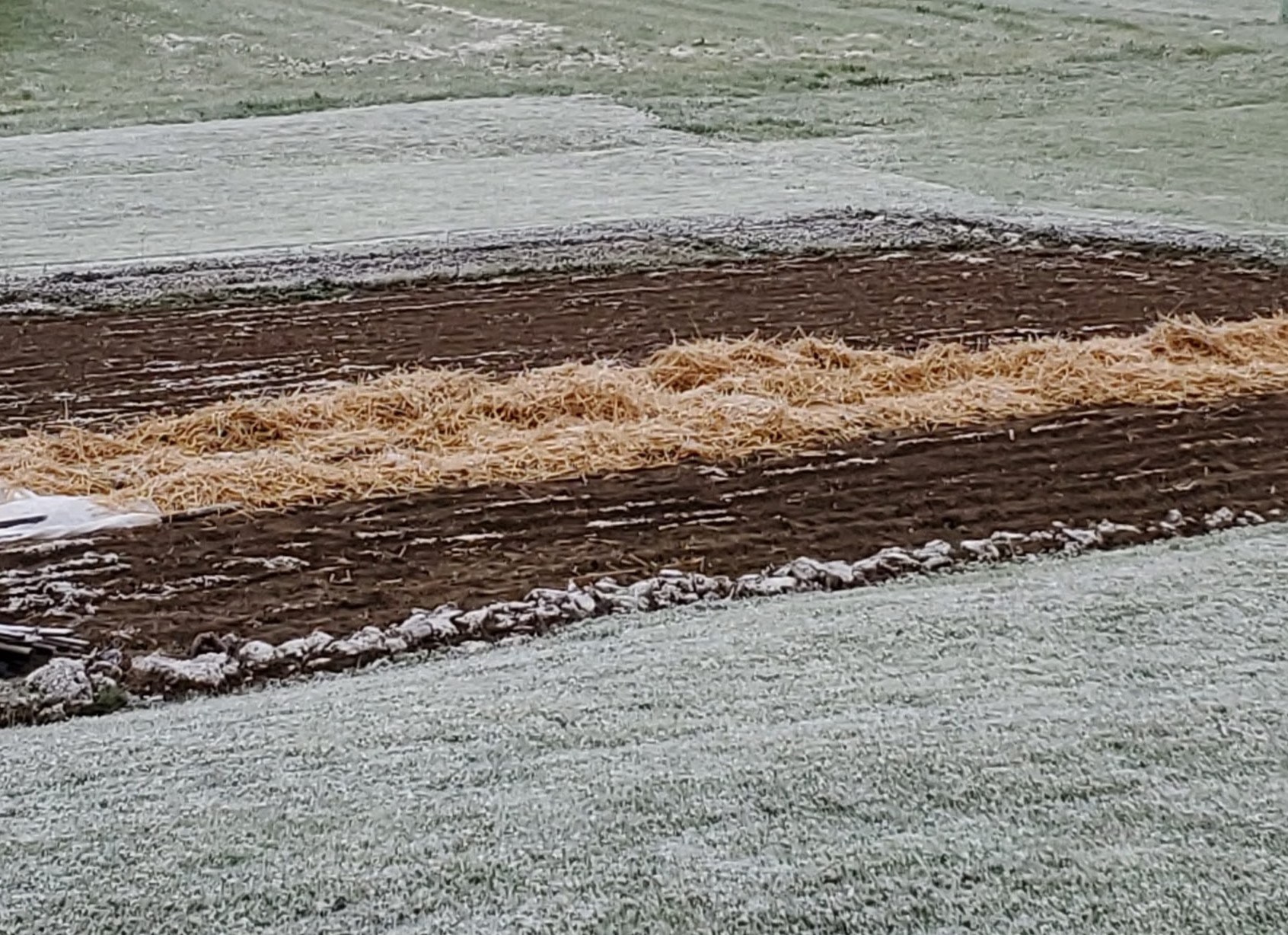
My neighbor was wise to cover his newly-planted garden with straw to protect it from a late-spring frost! Emerging and tender sprouts can be damaged or killed if they are not properly protected from the cold. As Chris Bonnett from GardeningExpress.co.uk explains: “Chilly temperatures freeze the cells in a plant, causing damage and interrupting the way nutrients and water flow around it. Growth will stop, and some plants will even become dormant to avoid as much damage as possible…”1 Today we will consider how we might also keep our newly sprouting spiritual and personal growth from harm.
This post feels deeply personal to me. These recent years of pandemic and politics have prompted me to shelter within my home, hide behind my mask, and at times, avoid the news or social media. Much like the seed within its outer coat, hidden in the underground darkness, I remained protectively isolated – unaware that this shelter would actually become a place of transformation into a new and different life.
And now, I feel vulnerable as I gradually emerge from isolation into community, from masks to faces, from fear to freedom, from silence to conversation. I feel exposed, at times confused, and still somewhat uncertain about my reentry into the fullness of life.
But I also feel vulnerable because I have changed. I am more introspective. I am less social. I am more emotional. I am less intimidated. I am more of an advocate. I am less a church member. I am more purposeful. I am less driven. I feel vulnerable, because I wonder how I will be received as I emerge and grow in these new and different ways.
I want to emerge; I need to emerge. God beckons me forth, out of the soil, where I am to sprout, bloom, and flourish, where I am to glorify God with a life of loving service. Yet, I wonder what frigid frosts may surprise and deter my tender shoots as I enter into this new life.
Are you feeling vulnerable in these times? How has God worked through these difficult days to transform you? Are you gradually sprouting new dreams, goals, or ways of being? If so, how do we nurture and protect these tender new shoots? What might you need to shield from the outer frost of misunderstanding or criticism? What might you need to shield from the inner chill of self-doubt, intimidation, or longing to return to the way things were?
We can protect our tender sprouts of new growth by sheltering in God. Chris Bonnett’s suggestions for plant care serve as a guide for our soul care, too…
~ Keep watering your plants during the cold weather, but do it in the middle of the day when temperatures are a little warmer.
When is your best time of day to refresh in the waters of the Spirit? Our times of prayer, study, or reflection are absorbed more readily when we are not “frozen” with hurry or distraction.
~ If you have plants in pots, move them to a sheltered spot and wrap the sides of the pots.
Where is your sheltered place for spiritual replenishment? Could it be a quiet reading corner with a cozy comforter? Or could it be envisioning yourself wrapped securely in the love of Christ?
~ Cover tender plants during frosty conditions with an upturned bucket or flower pot… Cover larger shrubs and trees with an old bedsheet, or a large piece of fabric… Cover the soil around plants with mulch or straw… Try creating a windbreak for larger plants…
Our need for protective sheltering may vary with the size of our vulnerability. There are times when a simple breath prayer or a quiet word will do. Other times, we may need to cover ourselves more deeply with additional time and spiritual practices. We might need to surround ourselves with a supportive community, a windbreak to diminish the harsh realities of life.
~ Don’t be tempted to bring your favorite plants inside during the cold weather. The sudden change in temperature can kill them.
This is my favorite suggestion. We are called to embrace life fully and to live abundantly! Parts of us are dying when we are not fully living. Our new sprouts are growing so that we become all that we are meant to be; so that we do all that we are called to do. So when we feel ready to give up, we remind ourselves that God does not want us to live in the past or in hiding. And we trust that God goes with us as a guide and a shelter for everything we will encounter.
Like the psalmist says, “The Lord is my refuge.” As we begin to grow in new and different ways, we will safely abide in the protective shelter of God, the One who has created us to thrive.
1How To Protect Garden Plants From Cold Weather And Frost (countryliving.com)
Photo by Karen, Hurricane, WV
SUPPORT OUR GROWTH
(A SEASON OF NEW GROWTH #5)
Monday, June 7th
But you, Israel, my servant,
Jacob, whom I have chosen,
the offspring of Abraham, my friend;
you whom I took from the ends of the earth,
and called from its farthest corners,
saying to you, “You are my servant,
I have chosen you and not cast you off”;
do not fear, for I am with you,
do not be afraid, for I am your God;
I will strengthen you, I will help you,
I will uphold you with my victorious right hand.
(Isaiah 41:8-10 NRSV)
In her article, 6 Simple Tips For Staking Your Garden Plants Perfectly Every Time (morningchores.com), Jennifer Poindexter offers us helpful tips and reasons for staking garden plants. Today, let’s reflect on two of these tips as guides for our own healthy growth:
~ Sturdy is Your Friend
“When you are choosing a stake to hold up your heavier garden plants, you’ll want something sturdy. If not, your plants could still end up on the ground. Be sure to pick durable materials which won’t bend under pressure. Keep in mind, when placing the stakes by your bigger plants, you’ll need to consider how large the plant is going to get.”
As we seek to grow with new and abundant life, it is essential to have ourselves properly supported. One facet of our faith is the awareness that we need God’s support and guidance as we live our days. We understand that we cannot live fully or well on our own – and we are grateful that we do not need to! God is our stronghold. God is our guide. God is steadfast. God is secure. God doesn’t “bend” under pressure. We can count on God’s sure and sturdy love to guide and uplift us.
~ Stake When Planting
“It’s important to stake your plants when planting them. If you try to stake your tomatoes after they’ve reached full size, you’ll have a problem. Imagine trying to wrestle a large tomato plant into a tomato cage. It’s going to be difficult to do. However, if you apply the tomato cage when you plant the seedling, it should slide right over, and the tomato will learn to grow upward with support.“
This second tip serves as a good practice for us, too: Always begin with God. Unlike a stake that stands immobile near the plant, waiting for its tendrils to reach and climb, God is a constant, sturdy presence already with us. But as we seek to grow in love and faith, we can maintain touchpoints that keep us present to God’s loving guidance throughout our days. Our touchpoints may be prayer, quiet listening, Bible reading, inner “gut” feelings, guidance from faithful mentors, or noticing what catches our attention.
Before we begin our day, we can ask God to guide and support us. Before we begin any new venture, we can do the same. Each time we face a new challenge or opportunity, each time we are going to speak or act, we can first seek God’s guidance. Because once we begin moving, changing our course or direction becomes more difficult. Our healthiest new growth begins with first staking ourselves in God.
Our “God stake” is not a pole for us to climb, but a mutual, loving embrace for us to keep.
In what ways do you feel God’s supportive embrace? How do you hope to be held, guided and supported today? What touchpoints will keep you aware of God’s steadfast and sturdy love?
One closing thought…
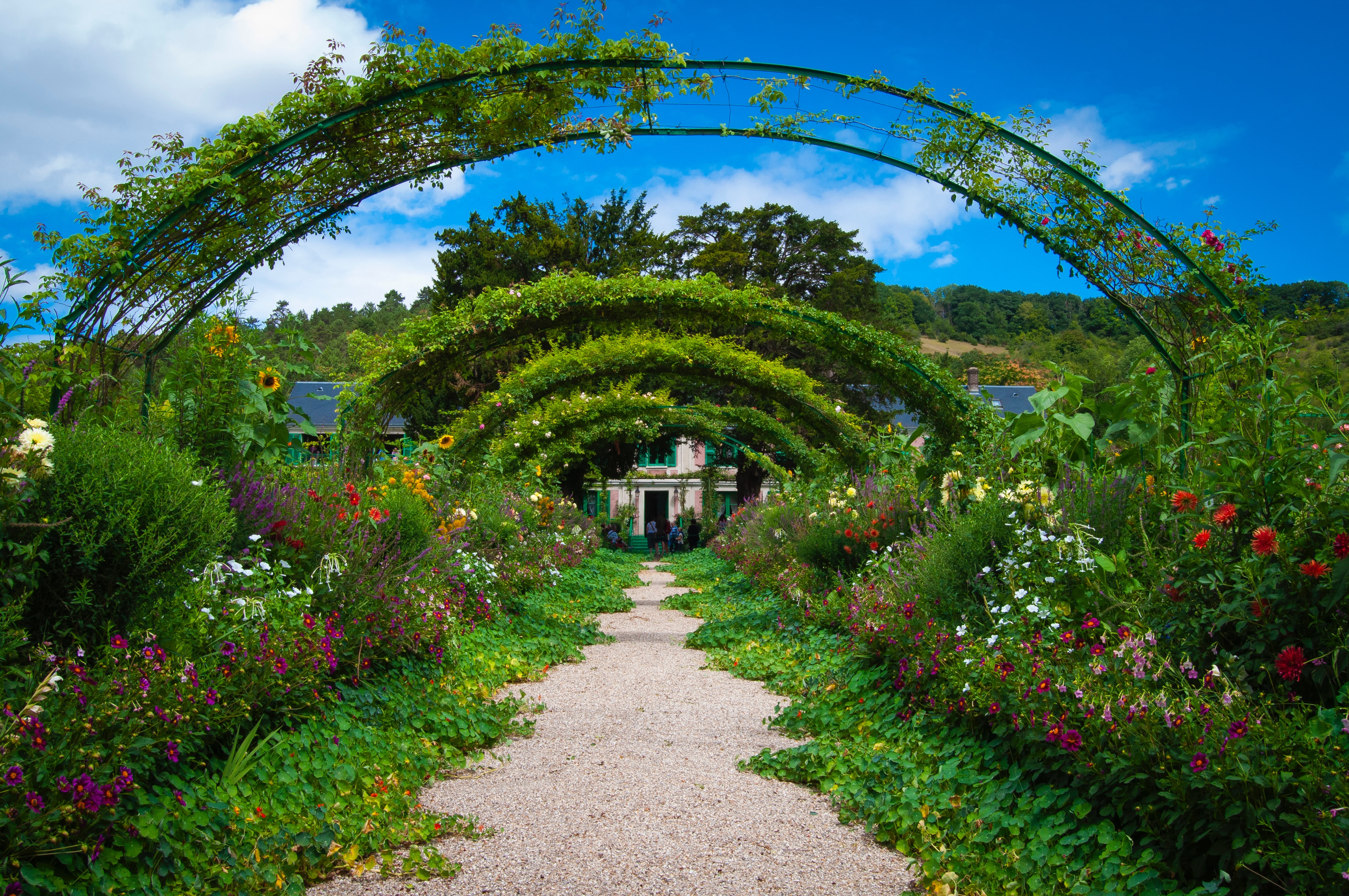
I found this photo so fitting, because it speaks to me of God’s guiding love as a love that leads us in unexpected directions, as a love that helps us to reach across divides, and as a love that creatively transforms us into beautiful gardens of life and love.
Photo by Veronica Reverse on Unsplash
FIVE MINUTE FRIDAY: SLOW

SLOW
I want to be slow enough
to savor the everyday
to notice the hidden
to remain with the present
to seek the significance
to include the details
to embrace the entirety
But most of all
to listen for all that I might hear
in the words and the whispers
from my soul
from others
from creation
from God.
(Five Minute Friday is an online writing community. Each week, we are given a one-word prompt and five minutes to write. You may find other posts or add your own at the link below!)
Upper photo by Karen, Maumee Bay State Park, Oregon, Ohio
ROTATE OUR CROPS

(A SEASON OF NEW GROWTH #4)
Wednesday, June 2nd
Beloved, I pray that all may go well with you
and that you may be in good health,
just as it is well with your soul.
(3 John 1:2, NRSV)
Now that we have our soil prepared, what crops will we choose to plant? We might consider the benefits of rotating crops – changing which crops are grown in different areas each season. I read about the benefits of crop rotation in the article, What are the Benefits of Crop Rotation in Agriculture? – Agriculture Loan, and briefly summarize them here:
When the same crops are planted in the same area each year, the same nutrients from the soil are taken out of it and eventually become depleted. Crop rotation varies which nutrients are used from the soil, keeping the soil healthier longer. The same issue happens with pests and disease. With the same crop, pests and bacteria can thrive, as they know exactly where to find or remain with their crop of choice; changing the crops helps to impede or stop their progress. Also, the soil may suffer from erosion as the same crops have the same root shapes, watering needs, and spacing. Alternating crops helps to change up the soil structure.
“Adopting a successful crop rotation plan is the best way to ensure that your crops have the best chance at a fruitful life,” the article concludes.
The agricultural practice of crop rotation speaks to our own “fruitful life” of growth and well-being. How might we rotate our physical, mental, emotional, and spiritual fields for better balance – better health?
~ My physical body appreciates slower schedules and restful times, but when I have too much of this slower pace, my mind begins racing! A few tasks or books to read can help to free my mind from needless worry or over-thinking.
~ When I spend a day writing and reflecting, my spirit is content, but my body grows restless! I need to spend time walking in nature to reenergize and be refreshed.
~ When my emotional field is downcast, moving to a spiritual or creative field such as baking or writing helps to uplift my thoughts and emotions.
~ When my soul is overwhelmed, I need time in solitude and quiet prayer, a rest from the physical busyness and mental distractions of the day.
As we become more mindful of our time spent in each of these fields – and more attentive to our need to move on – we will find greater balance and restoration for our entire being. Similar to tending our fields and gardens, we can tend ourselves with changes in routine when our ground feels withered and dry. We can restore what is lacking or depleted by moving to other fields that nurture and replenish. When the diseases and pests of resentment, envy, ennui, or apathy begin to encroach, we can say, “I have spent enough time here” and choose to grow in another area. We do not need to remain stagnant or mired in a place that inhibits our healthy growth.
Which field – physical, mental, emotional, or spiritual – has been taking most of your time and energy in recent days? What new field may be inviting you today?
Photo by jean wimmerlin on Unsplash
BREAK UP OUR CLUMPS
(A SEASON OF NEW GROWTH #3)
Monday, May 31st
There is no longer Jew or Greek, there is no longer slave or free,
there is no longer male and female; for all of you are one in Christ Jesus.
(Galatians 3:28, NRSV)
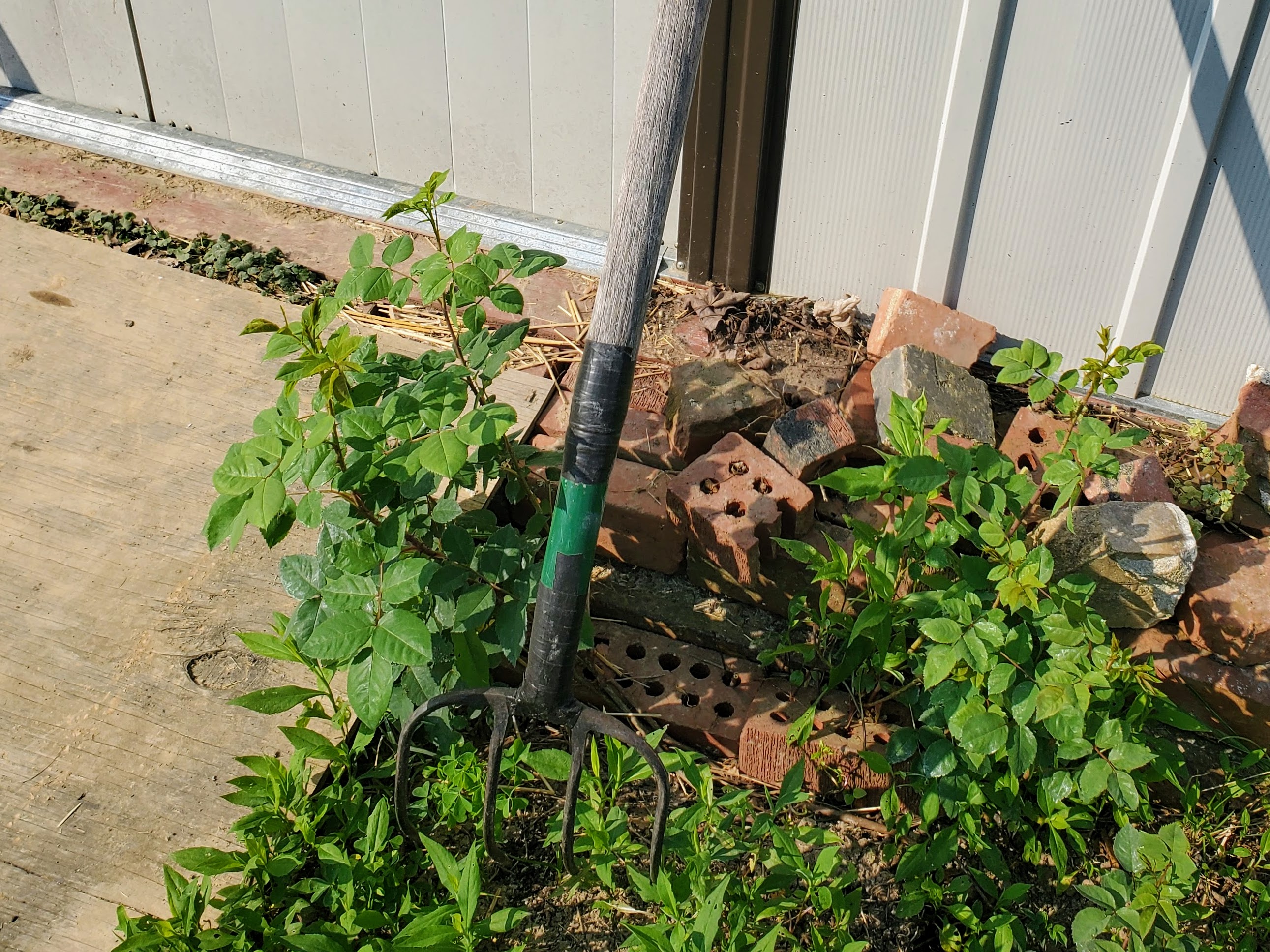
Our work to prepare the soil of our souls isn’t finished until any remaining clumps of hardened dirt are broken apart. When soil consists of clumps that are hard and dry, roots have difficulty extending and rain is not easily absorbed. A garden cannot flourish through ground that is firm and impenetrable.
This word – clumps – reminds me of a game we once played in our church youth group. “Clumps” was a fast and easy game in which a leader would call out a number and a defining characteristic, and the teens would gather (clump) together accordingly. The leader might ask for “six people with the same eye color” or “five people who are in the same grade,” and the teens would rush to form into groups. Any leftover teens would be out of the game until the next round.
The game of Clumps provided fun and laughter for our teens, but today God seems to be showing me the harm of clumping in my daily life. I am thinking of my tendency to form people into clumps according to one (often superficial) characteristic. Worse, I am thinking of my tendency to assign other characteristics – often the most extreme or negative qualities – to that clump.
I humbly share some examples…
~ After 9-11, I was so grateful that an area church arranged to have an Imam from the Islamic Temple speak to us about his faith. I learned so much that day, especially that the 9-11 terrorists were far from what the Islamic faith holds true; the Muslim people strive to live and serve in love, just as I do. Yet, it still took some time for me to stop clumping anyone who (I thought) appeared to be Muslim into a group of potential terrorists.
~ During the isolation of the pandemic, I found that I was increasingly assigning people to clumps solely based on their political views posted on social media. I began to lose sight of the qualities and beliefs we had in common; I began to forget the joys of our friendship when we were together in community. Instead, I began seeing people according to the political views they held, whether or not they wore masks, and what stances they took on social issues that are important to me. I struggled with seeing the whole person, often letting one tenet or viewpoint define them.
Forgive me, God, for these clumping ways of mine!
We are complex and multi-faceted individuals, full of nuance and depth. We are so much more than our appearance, religion, nationality, political stance, orientation, or economic class. One trait does not begin to encompass our entirety. One vote does not mean we completely embrace a person or platform. One act does not define our life.
We have been uniquely created by God, who seems to have an affinity for diversity and variety.
How might new life grow if we were to envision our world as one giant clump of diverse human beings, all fully beloved by God? If we were to recognize that our universal God wants us to clump around love alone? If we were to ask God to help us break down our clumps and to see the need for diversity, until we become one world of soft and aerated soil…?
I see a world where everyone has the freedom and courage to lovingly extend our roots into an interconnected system of support; a world of soft and open soil for the water of life to be absorbed by all of creation. I see a world where our roots are so intertwined that there is no room for the weeds of fear and hatred to grow. I see a world of new growth, new health, new life, together.
“Where the Spirit is moving, love for God always, always, always overflows in love for neighbor. And according to Jesus, our neighbor isn’t just the person who is like us, the person who likes us, or the person we like. Our neighbor is anyone and everyone – like us or different from us, friend or stranger – even enemy. As Peter learned in his encounter with Cornelius (Acts 10), the Spirit wants to break down walls of prejudice and hostility so that we stop judging us as clean and them as unclean, opening the way for strangers and enemies to become neighbors, friends, family.”1
We may not be able to change the world, but we do have the ability to change ourselves. How might we begin to make that happen today – in ourselves, our homes, our communities? What is one clump we might begin to break apart in order to foster healthy growth?
1McLaren, Brian. We Make the Road by Walking. Jericho Books (New York, Boston, Nashville).
Photo by Karen
FIVE MINUTE FRIDAY: RECOVER

This morning, our word prompt brings to mind “re-cover,” as a parent re-covers a sleeping child during the night…
Re-cover me, God
when I feel exposed to criticism
when I feel vulnerable with my love
when I feel unprotected from my fears.
Re-cover me, God
with your blanket of truth
with your comforter of compassion
with your quilt of security.
But let me awaken when you tenderly kiss my cheek
to murmur a quiet, “Thank you,”
before I peacefully rest in you.
(Five Minute Friday is an online writing community. Each week, we are given a one-word prompt and five minutes to write. You may find other posts or add your own at the link above!)
PREPARE OUR SOIL
(A SEASON OF NEW GROWTH #2)
Wednesday, May 26th
This God—his way is perfect;
the promise of the Lord proves true;
he is a shield for all who take refuge in him.
(Psalm 18:30, NRSV)
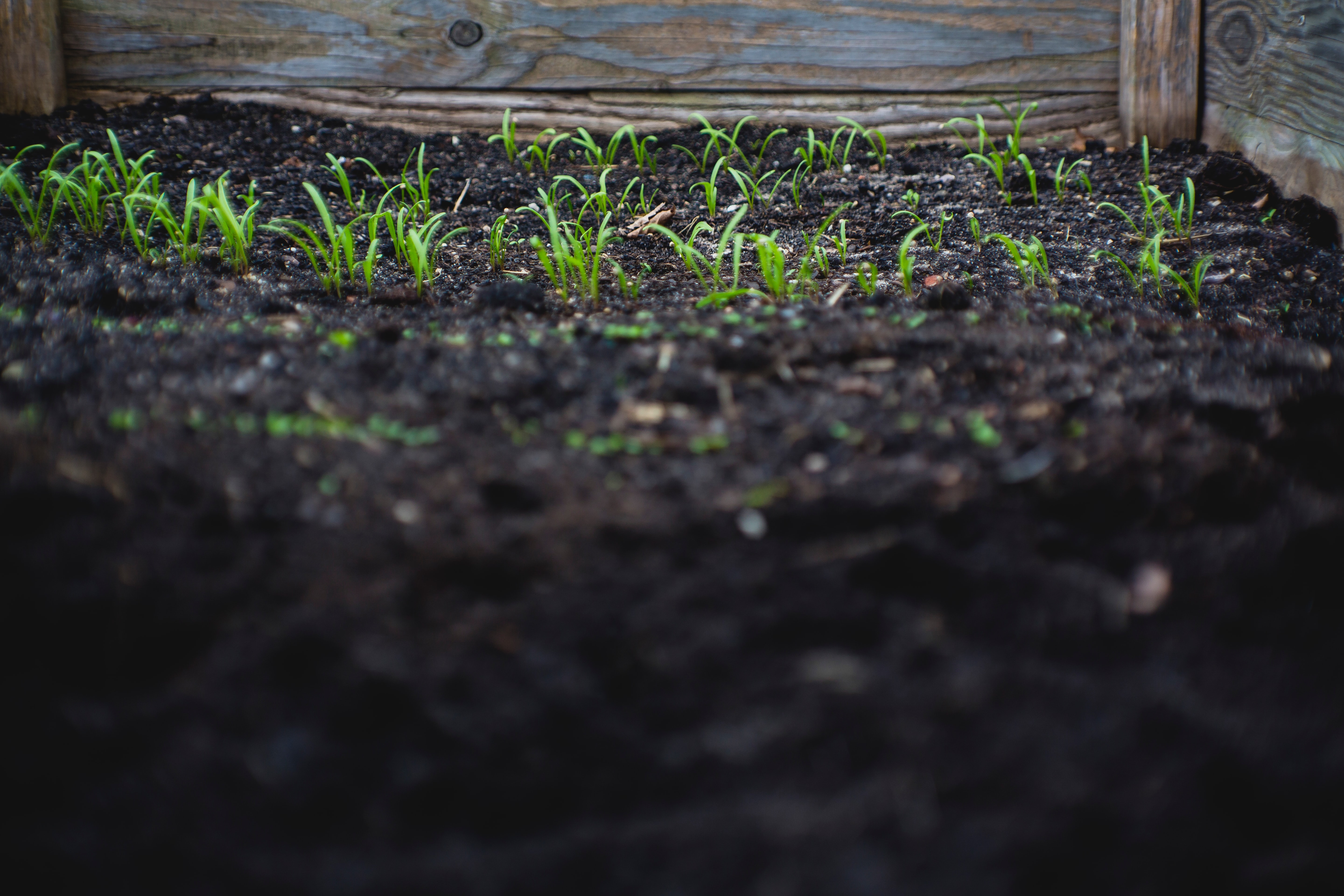
When I first began preparing this post, my plan was to write about tilling the soil. I had thought of using this as a metaphor for us to break apart and open ourselves to receive good seeds. But as I researched the benefits of tilling, I kept finding the benefits of “no-till gardening” instead! Of course, this new finding had much to show me about God and our spiritual life…
At My Soulful Home, Kelly Wilkniss writes:
With No Till Gardening, once the bed is established the surface is never disturbed. Amendments are layered on, added to the top of the bed. Over time, these amendments are pulled into the subsoil by watering and the busy undersoil organisms. Weeding becomes largely a thing of the past. It is replaced by mulching – adding more layers which smother the weeds & provide for your plants.
By adding material in layers, the underlying soil surface remains spongy, making it easy for the young roots of newly planted seedlings to work through the soil. This is similar to the way soil is formed in nature. Think of the forest floor. Tilling is a bad practice because your soil has its mojo going on and then you come at it with the sharp tines of your tiller and mess the whole thing up. It is akin to turning all the lights up really bright at a rockin’ party. Buzz kill!1
God is not outside of us, waiting for an opportunity to enter in when we break apart. God is already within us, gently working through us, creating the healthy soil of our souls to receive and nurture seeds of love. God opens and softens us to absorb the lessons that life layers on us, turning those layers into good compost, providing fertile ground for new growth.
All of our joys and sorrows, hurts and healings, gains and losses, successes and failures, are gathered, broken down, and integrated into beneficial and nourishing topsoil that will foster our growth as people of God. The showers of God’s love gently wash away all that is no longer useful, leaving only the essential goodness from each experience. We gain from our experiences such things as kindness, acceptance, compassion, hope, forgiveness, joy, peace, and love, under a protective and nurturing cover. Through all of the layers, we also grow in our awareness of God’s constant, caring, and active presence in our lives.
As we learn to embrace everything life offers, as we learn to place every layer of our lives into God’s transforming power, we will soon discover surprising new growth sprouting up into the sunshine.
1No Till Gardening – Your Soil Needs a Do Not Disturb Sign — My Soulful Home Kelly Wilkniss
Photo by Markus Spiske on Unsplash
 Simply Soul Searching